HuaZhiHui

Dream of Comb

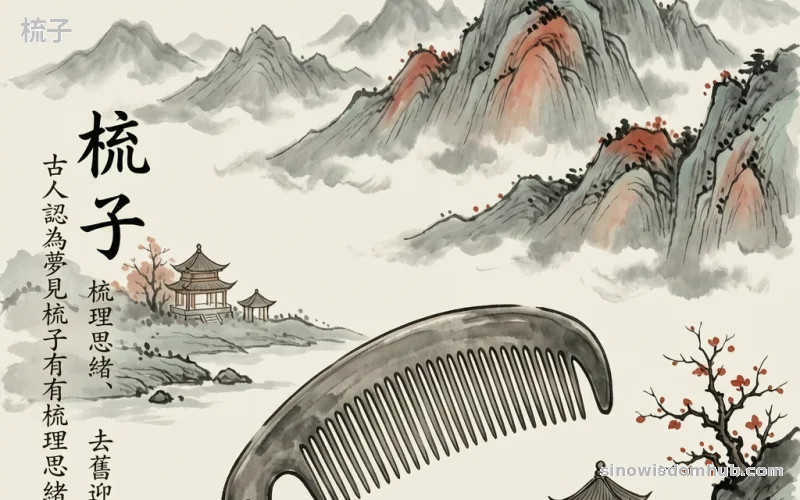
Comb — 解夢配圖

In the Zhou Gong tradition, dreaming of a comb was interpreted as having the meaning of organizing one's thoughts or welcoming the new by discarding the old.

Ancient interpretation of dream scenes

得梳篦

古人把得梳篦讀作桃花運旺、佳人入懷之兆,象徵情感生活將迎來轉機。從心理學視角看,梳子作為整理儀容的工具,可能映射夢者對親密關係的渴望或自我形象的重新定位。

Related original: 2
  • 人與梳篦得美妾 —— In ancient dream interpretation, "人與梳篦得美妾" was considered an omen.
  • 得篦子者美女至 —— In ancient dream interpretation, "得篦子者美女至" was considered an omen.

用牙木梳

古人把用牙木梳讀作舊業塵埃落定、往事隨風而去的吉兆,代表人生階段性的清理與重生。心理學上,梳理動作常隱喻潛意識對記憶的整合與情緒的釋懷。

Related original: 1
  • 牙木梳舊事盡去 —— In ancient dream interpretation, "牙木梳舊事盡去" was considered an omen.

見篦子

古人把見篦子讀作貴人引路、仕途順遂的預示,暗示現實中將獲得權威或長輩的賞識。榮格理論認為,此類器物意象可視為「智慧老人」原型的投射,帶來內在指引與外在助力。

Related original: 1
  • 見篦子貴人提攜 —— In ancient dream interpretation, "見篦子貴人提攜" was considered an omen.

'Zhou Gong's Dream Interpretation' text analysis

這四則原文整體呈現高度一致的吉祥傾向,核心脈絡皆圍繞「梳理」與「秩序」展開。古人以梳篦為媒介,將其功能引申為人事關係的整頓與命運的撥亂反正。其中,得梳與見篦多指向外部機遇,如桃花運旺、貴人提攜,反映傳統社會對姻親網絡與階層晉升的重視;而牙木梳則側重內在狀態,寓意陳年積弊得以清除、人生進入新階段。整體規律顯示,梳子在古典夢占中並非單純的日常用具,而是「化雜亂為條理」的象徵符號。夢境出現梳具,往往預示夢者正處於某個過渡期,過去糾葛將告一段落,同時伴隨實質性的人際資源或情感回報。此類解夢邏輯強調外在境遇與內在整理的同步性,體現了中國傳統文化中「修身齊家」與「天人感應」的思維模式。

Psychological Perspective

【弗洛伊德視角】僅供參考。精神分析學派傾向將梳子視為慾望的替代性滿足與性心理的投射。梳頭動作涉及身體修飾與異性吸引,夢中「得美妾」「美女至」可解讀為潛意識中對親密關係與性能量的渴望,透過夢境實現願望達成;而「舊事盡去」則可能反映夢者試圖壓抑或釋放早年未被處理的情結,梳子的齒狀結構在經典理論中偶被聯想為生殖象徵,暗示生命力的重整與焦慮的宣洩。

【榮格視角】僅供參考。分析心理學認為梳子是「個體化」過程中的整合符號。梳理頭髮對應著人格面具的整理與自我認同的釐清。「見貴人提攜」可視為自性或智慧老人意象的顯現,提供內在指引與外在支持;「舊事盡去」則象徵陰影的接納與集體無意識中古老記憶的代謝。整體而言,此夢提示夢者正經歷心理結構的重組,需透過有意识的反思,將混亂的情緒轉化為內在秩序,邁向更完整的自我。

⚠️ The psychological analysis above is for reference only and does not represent the sole interpretation. Dream meanings vary from person to person.

人與梳篦得美妾 鏡環釵釧梳篦 · 415 —— In ancient dream interpretation, "人與梳篦得美妾" was considered an omen.
牙木梳舊事盡去 鏡環釵釧梳篦 · 416 —— In ancient dream interpretation, "牙木梳舊事盡去" was considered an omen.
見篦子貴人提攜 鏡環釵釧梳篦 · 417 —— In ancient dream interpretation, "見篦子貴人提攜" was considered an omen.
得篦子者美女至 鏡環釵釧梳篦 · 418 —— In ancient dream interpretation, "得篦子者美女至" was considered an omen.

⚠️ This page cites original texts from ancient books along with their vernacular explanations, recording how ancients interpreted dream symbols, not as predictions of the future. Original text from ancient classics, public domain. Vernacular explanations and search keywords are provided by this site and are not part of the original text.