HuaZhiHui

Dream of Deity

Deity — 解夢配圖

Dreams of Deity in Zhou Gong's Dream Interpretation.

Ancient interpretation of dream scenes

禮佛焚香與祭祀

古人把「焚香禮拜、迎神賽社與造幡蓋」讀作「積德招財、家宅興旺之兆」。此類情境多指向現實資源的匯聚,心理學視角下可視為對安全感與物質保障的潛意識渴求。

Related original: 6
  • 拜佛欲動大有財 —— In ancient dream interpretation, "拜佛欲動大有財" was considered an omen.
  • 看火上陳事大吉 —— In ancient dream interpretation, "看火上陳事大吉" was considered an omen.
  • 造旛蓋者大吉利 —— In ancient dream interpretation, "造旛蓋者大吉利" was considered an omen.
  • 燒香禮拜皆大吉 —— In ancient dream interpretation, "燒香禮拜皆大吉" was considered an omen.
  • 迎神賽社有外財 —— In ancient dream interpretation, "迎神賽社有外財" was considered an omen.
  • 祭祀神道大吉利 —— In ancient dream interpretation, "祭祀神道大吉利" was considered an omen.

親近僧道與聽法

古人把「法師登座、僧道言語或共佛談話」讀作「人生轉折的預示」。若為教導則吉,若為看經生悶則主困頓,反映對精神指引的依賴與現實處境的投射。

Related original: 5
  • 法師登座主疾病 —— In ancient dream interpretation, "法師登座主疾病" was considered an omen.
  • 僧師教人唸經吉 —— In ancient dream interpretation, "僧師教人唸經吉" was considered an omen.
  • 道士女冠言語吉 —— In ancient dream interpretation, "道士女冠言語吉" was considered an omen.
  • 和尚尼姑看經悶 —— In ancient dream interpretation, "和尚尼姑看經悶" was considered an omen.
  • 佛共人言有福助 —— In ancient dream interpretation, "佛共人言有福助" was considered an omen.

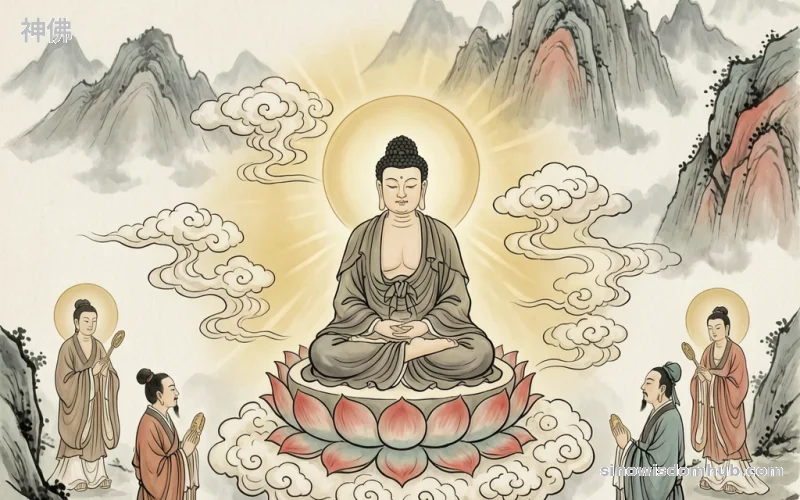
神佛降臨與顯化

古人把「老君言仙、諸佛現前、畫像得人欽或神動入廟」讀作「天降福祿、貴人提攜之象」。象徵潛意識中對超越性力量庇佑的期待,亦映射夢者渴望獲得權威認可的需求。

Related original: 7
  • 見老君言有仙分 —— In ancient dream interpretation, "見老君言有仙分" was considered an omen.
  • 諸佛菩薩大吉利 —— In ancient dream interpretation, "諸佛菩薩大吉利" was considered an omen.
  • 老君真入皆主吉 —— In ancient dream interpretation, "老君真入皆主吉" was considered an omen.
  • 畫神佛者得人欽 —— In ancient dream interpretation, "畫神佛者得人欽" was considered an omen.
  • 入神廟神動大吉 —— In ancient dream interpretation, "入神廟神動大吉" was considered an omen.
  • 堂上神佛大吉利 —— In ancient dream interpretation, "堂上神佛大吉利" was considered an omen.
  • 仙聖到家福祿至 —— In ancient dream interpretation, "仙聖到家福祿至" was considered an omen.

神佛震怒與異變

古人把「神佛嗔怒、不成形、被神鬼擊打或破戒交合」讀作「大凶或破財之警訊」。暗示內心道德焦慮、信仰危機或慾望與戒律的拉扯,需警惕現實決策失誤。

Related original: 5
  • 神佛嗔怒皆不吉 —— Ancient interpreters viewed "神佛嗔怒皆不吉" as a dream symbol.
  • 被神鬼打大不祥 —— In ancient dream interpretation, "被神鬼打大不祥" was considered an omen.
  • 神佛不成形大凶 —— In ancient dream interpretation, "神佛不成形大凶" was considered an omen.
  • 與鬼鬥者主延壽 —— In ancient dream interpretation, "與鬼鬥者主延壽" was considered an omen.
  • 與尼姑交主失財 —— In ancient dream interpretation, "與尼姑交主失財" was considered an omen.

受戒感應與生育

古人把「身受戒行、與神女通或看神佛」讀作「子嗣昌隆、家庭和睦之兆」。將宗教修持與生命繁衍意象連結,心理層面則可能關乎創傷修復或對新階段的準備。

Related original: 3
  • 身受戒行者子孝 —— In ancient dream interpretation, "身受戒行者子孝" was considered an omen.
  • 與神女通得貴子 —— In ancient dream interpretation, "與神女通得貴子" was considered an omen.
  • 看神佛者妻有子 —— In ancient dream interpretation, "看神佛者妻有子" was considered an omen.

'Zhou Gong's Dream Interpretation' text analysis

《周公解夢》中「神佛」主題的原文呈現出鮮明的「吉凶二元」與「行為導向」規律。整體而言,凡涉及主動禮敬(如燒香、拜佛、祭祀)、神佛顯化降臨或宗教人士傳法,多斷為大吉,主財祿雙收、子嗣昌隆或貴人相助;這反映了古代社會「敬天法祖、誠心感通」的價值觀,認為虔誠能換取超自然力量的庇佑。反之,若神佛呈現負面狀態(如嗔怒、不成形),或夢境涉及衝突(被神鬼打、與鬼鬥)及破戒行為,則多判為大凶或破財,警示夢者需防範道德失序與信仰危機。此外,原文常將宗教體驗與現實利益直接掛鉤,體現了傳統民間信仰實用主義的特質,即夢境不僅是精神寄託,更是預測世俗禍福的鏡像。

Psychological Perspective

【弗洛伊德視角】弗洛伊德會將「神佛」視為潛意識慾望的昇華或替代滿足。夢中與神佛互動、受戒或發生親密關係,可能隱喻夢者對權威的依戀、對道德壓抑的反抗,或是性本能(力比多)在宗教框架下的合理化投射。吉凶判斷實則反映夢者內心的罪疚感與慾望達成後的焦慮,神佛的賞罰對應超我對本我的監督。

【榮格視角】榮格則傾向從集體無意識與原型角度解讀。神佛屬於「智慧老人」或「自性」(Self)原型的具象化,代表個體追求完整與超越的精神指引。夢見神佛降臨往往是自性整合過程的啟動信號,提示夢者正經歷心理轉型。吉凶之分並非預言,而是內在和諧與否的指標:神佛祥和象徵自我與無意識達成協作,而神佛嗔怒或變形則暗示陰影未被接納,需透過積極想像實現個體化。

(僅供參考)

⚠️ The psychological analysis above is for reference only and does not represent the sole interpretation. Dream meanings vary from person to person.

見老君言有仙分 帝王文武呼召 · 245 —— In ancient dream interpretation, "見老君言有仙分" was considered an omen.
拜佛欲動大有財 帝王文武呼召 · 246 —— In ancient dream interpretation, "拜佛欲動大有財" was considered an omen.
看火上陳事大吉 帝王文武呼召 · 247 —— In ancient dream interpretation, "看火上陳事大吉" was considered an omen.
神佛嗔怒皆不吉 帝王文武呼召 · 248 —— Ancient interpreters viewed "神佛嗔怒皆不吉" as a dream symbol.
諸佛菩薩大吉利 佛道僧尼鬼神 · 681 —— In ancient dream interpretation, "諸佛菩薩大吉利" was considered an omen.
法師登座主疾病 佛道僧尼鬼神 · 682 —— In ancient dream interpretation, "法師登座主疾病" was considered an omen.
老君真入皆主吉 佛道僧尼鬼神 · 683 —— In ancient dream interpretation, "老君真入皆主吉" was considered an omen.
畫神佛者得人欽 佛道僧尼鬼神 · 684 —— In ancient dream interpretation, "畫神佛者得人欽" was considered an omen.
入神廟神動大吉 佛道僧尼鬼神 · 685 —— In ancient dream interpretation, "入神廟神動大吉" was considered an omen.
造旛蓋者大吉利 佛道僧尼鬼神 · 686 —— In ancient dream interpretation, "造旛蓋者大吉利" was considered an omen.
僧師教人唸經吉 佛道僧尼鬼神 · 687 —— In ancient dream interpretation, "僧師教人唸經吉" was considered an omen.
道士女冠言語吉 佛道僧尼鬼神 · 688 —— In ancient dream interpretation, "道士女冠言語吉" was considered an omen.
和尚尼姑看經悶 佛道僧尼鬼神 · 689 —— In ancient dream interpretation, "和尚尼姑看經悶" was considered an omen.
被神鬼打大不祥 佛道僧尼鬼神 · 690 —— In ancient dream interpretation, "被神鬼打大不祥" was considered an omen.
堂上神佛大吉利 佛道僧尼鬼神 · 691 —— In ancient dream interpretation, "堂上神佛大吉利" was considered an omen.
神佛不成形大凶 佛道僧尼鬼神 · 692 —— In ancient dream interpretation, "神佛不成形大凶" was considered an omen.
燒香禮拜皆大吉 佛道僧尼鬼神 · 693 —— In ancient dream interpretation, "燒香禮拜皆大吉" was considered an omen.
迎神賽社有外財 佛道僧尼鬼神 · 694 —— In ancient dream interpretation, "迎神賽社有外財" was considered an omen.
仙聖到家福祿至 佛道僧尼鬼神 · 695 —— In ancient dream interpretation, "仙聖到家福祿至" was considered an omen.
與鬼鬥者主延壽 佛道僧尼鬼神 · 696 —— In ancient dream interpretation, "與鬼鬥者主延壽" was considered an omen.
祭祀神道大吉利 佛道僧尼鬼神 · 697 —— In ancient dream interpretation, "祭祀神道大吉利" was considered an omen.
身受戒行者子孝 佛道僧尼鬼神 · 698 —— In ancient dream interpretation, "身受戒行者子孝" was considered an omen.
與神女通得貴子 佛道僧尼鬼神 · 699 —— In ancient dream interpretation, "與神女通得貴子" was considered an omen.
與尼姑交主失財 佛道僧尼鬼神 · 700 —— In ancient dream interpretation, "與尼姑交主失財" was considered an omen.
看神佛者妻有子 佛道僧尼鬼神 · 701 —— In ancient dream interpretation, "看神佛者妻有子" was considered an omen.
佛共人言有福助 佛道僧尼鬼神 · 702 —— In ancient dream interpretation, "佛共人言有福助" was considered an omen.
Related Topics

⚠️ This page cites original texts from ancient books along with their vernacular explanations, recording how ancients interpreted dream symbols, not as predictions of the future. Original text from ancient classics, public domain. Vernacular explanations and search keywords are provided by this site and are not part of the original text.