HuaZhiHui

Dream of Drum

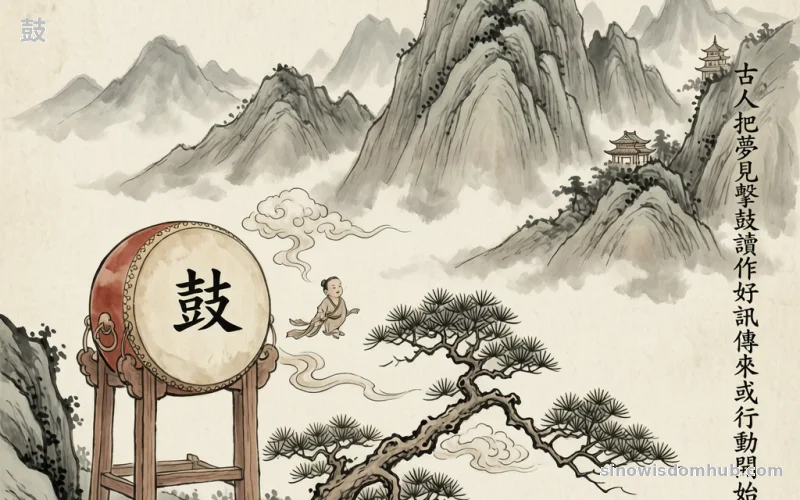
Drum — 解夢配圖

In the Zhou Gong tradition, dreaming of beating a drum was seen as a signal of good news arriving or the commencement of action.

Ancient interpretation of dream scenes

鼓鳴有聲

古人把鼓鳴或鐘鼓有聲讀作吉兆,因為聲音在古代象徵號召、喜訊與節慶,預示遠方親友將至、福祿雙全或家庭歡樂。從現代心理學的角度,這可能反映夢者對社交連結、生活轉機或內在動力被喚醒的潛意識期待。

Related original: 4
  • 鐘磐有聲遠人來 —— In ancient dream interpretation, "鐘磐有聲遠人來" was considered an omen.
  • 鐘豉大鳴福祿至 —— In ancient dream interpretation, "鐘豉大鳴福祿至" was considered an omen.
  • 打鼓有聲遠人來 —— In ancient dream interpretation, "打鼓有聲遠人來" was considered an omen.
  • 見鼓佳聲懽樂吉 —— In ancient dream interpretation, "見鼓佳聲懽樂吉" was considered an omen.

見鼓無聲

古人把見鼓不嗚讀作凶兆,因為鼓在傳統禮儀與軍事中負責傳令與聚氣,無聲意味著號令失效、喜事落空或危機暗藏。從心理學視角,沉默的鼓可能映射現實中溝通受阻、付出未獲回應,或對某種「失語」狀態的隱憂。

Related original: 1
  • 見鼓不嗚凶必至 —— In ancient dream interpretation, "見鼓不嗚凶必至" was considered an omen.

'Zhou Gong's Dream Interpretation' text analysis

這五則原文整體呈現「以聲斷吉凶」的規律,核心在於鼓是否發出聲音。凡鼓鳴、鐘鼓齊響或擊鼓有聲,皆指向「遠人來」、「福祿至」與「歡樂吉」,顯示古人將鼓視為傳遞喜訊、凝聚人脈與招財納福的媒介;反之,若見鼓卻無聲響,則直接斷為「凶必至」,強調器物失能即預示運勢停滯或災禍臨頭。值得注意的是,原文多使用「福祿」「遠人來」等詞彙,預設讀者多為掌握家族經濟與社會關係的家長(尤指男性),其關注點集中在外部資源的引入與家族聲望的擴張。整體而言,《周公解夢》對鼓的解讀高度依賴「聲」與「寂」的二元對比,將聽覺體驗直接對應現實中的際遇起伏,反映出古代社會對訊息傳遞與集體動員的重視。

Psychological Perspective

(僅供參考)從精神分析視角來看,弗洛伊德可能會將鼓解讀為力比多能量的載體:鼓面與敲擊動作帶有潛在的性象徵意味,鼓聲大作代表本能衝動獲得釋放或渴望被外界聽見,而鼓不發響則可能映射潛意識中的「閹割焦慮」或對自身影響力不足的恐懼。榮格則傾向從集體無意識出發,認為鼓是原始儀式中連接神聖與世俗的媒介,其節奏象徵自我與原型的共振;聞鼓聲佳兆,暗示個體正經歷心理整合或生命週期的轉換,而鼓啞無聲則可能提示靈魂的節奏斷裂,需警惕內在動力的枯竭或與集體價值的脫節。兩者皆提醒夢者關注自身表達欲與內在節律的平衡。

⚠️ The psychological analysis above is for reference only and does not represent the sole interpretation. Dream meanings vary from person to person.

鐘磐有聲遠人來 刀劍旌節鐘鼓 · 235 —— In ancient dream interpretation, "鐘磐有聲遠人來" was considered an omen.
鐘豉大鳴福祿至 刀劍旌節鐘鼓 · 236 —— In ancient dream interpretation, "鐘豉大鳴福祿至" was considered an omen.
打鼓有聲遠人來 刀劍旌節鐘鼓 · 237 —— In ancient dream interpretation, "打鼓有聲遠人來" was considered an omen.
見鼓佳聲懽樂吉 刀劍旌節鐘鼓 · 238 —— In ancient dream interpretation, "見鼓佳聲懽樂吉" was considered an omen.
見鼓不嗚凶必至 刀劍旌節鐘鼓 · 239 —— In ancient dream interpretation, "見鼓不嗚凶必至" was considered an omen.

⚠️ This page cites original texts from ancient books along with their vernacular explanations, recording how ancients interpreted dream symbols, not as predictions of the future. Original text from ancient classics, public domain. Vernacular explanations and search keywords are provided by this site and are not part of the original text.