HuaZhiHui

Dream of Emperor

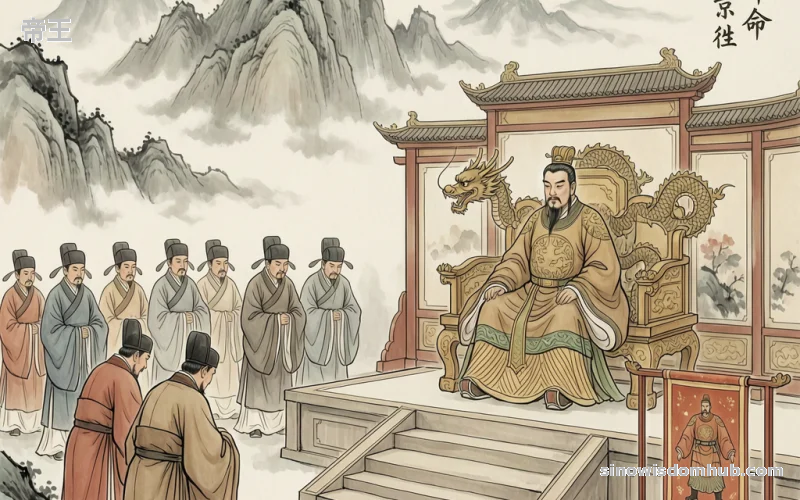
Emperor — 解夢配圖

In the Zhou Gong tradition, dreaming of an emperor was seen as an omen of encountering a powerful benefactor, holding authority, or elevation in status.

Ancient interpretation of dream scenes

君臣召見與賜座

古人把「帝王宣召、後妃呼喚或獲賜座位」讀作權力認可與仕途騰達之兆,象徵夢者將獲上位者賞識。此情境在心理學上常映射個體對權威認同的渴望與自我價值的確認。

Related original: 9
  • 帝王宣召有驚喜 —— In ancient dream interpretation, "帝王宣召有驚喜" was considered an omen.
  • 后妃呼召飲有疾 —— In ancient dream interpretation, "后妃呼召飲有疾" was considered an omen.
  • 太子召大喜吉利 —— In ancient dream interpretation, "太子召大喜吉利" was considered an omen.
  • 天子賜坐有財吉 —— In ancient dream interpretation, "天子賜坐有財吉" was considered an omen.
  • 王侯並坐大吉利 —— In ancient dream interpretation, "王侯並坐大吉利" was considered an omen.
  • 來見貴人不得凶 —— In ancient dream interpretation, "來見貴人不得凶" was considered an omen.
  • 使命入門大吉利 —— In ancient dream interpretation, "使命入門大吉利" was considered an omen.
  • 拜尊長者有吉慶 —— In ancient dream interpretation, "拜尊長者有吉慶" was considered an omen.
  • 一切貴人皆吉祥 —— Ancient interpreters viewed "一切貴人皆吉祥" as a dream symbol.

聖賢先祖對話

古人把「與聖賢交談或先祖託夢」讀作智慧啟示與家族庇佑之象,預示決策得明師指點。心理學視角下,這可視為潛意識中道德超我與集體記憶的深度對話。

Related original: 2
  • 與聖賢說話大吉 —— In ancient dream interpretation, "與聖賢說話大吉" was considered an omen.
  • 先祖考言求食吉 —— In ancient dream interpretation, "先祖考言求食吉" was considered an omen.

反常吉凶預兆

古人把「聽聞極度讚美、死者復生或遭拒用」讀作「反夢」規律,即表面大吉實則藏凶,或表面受挫反主脫困。這體現了傳統夢占物極必反的辯證思維。

Related original: 3
  • 人云大好者即凶 —— In ancient dream interpretation, "人云大好者即凶" was considered an omen.
  • 人云死者得長命 —— In ancient dream interpretation, "人云死者得長命" was considered an omen.
  • 人云不用汝大吉 —— In ancient dream interpretation, "人云不用汝大吉" was considered an omen.

避忌與凶險互動

古人把「遠處呼喚、強邀同行、與惡人爭論或君王儀仗異常」讀作災禍臨頭與是非纏身之警訊,提醒謹言慎行。心理上則反映對失控局面的焦慮與防衛機制啟動。

Related original: 4
  • 人在外呼之招凶 —— In ancient dream interpretation, "人在外呼之招凶" was considered an omen.
  • 我欲共汝去大凶 —— In ancient dream interpretation, "我欲共汝去大凶" was considered an omen.
  • 與惡人言主口舌 —— In ancient dream interpretation, "與惡人言主口舌" was considered an omen.
  • 君王隊伍有異名 —— In ancient dream interpretation, "君王隊伍有異名" was considered an omen.

'Zhou Gong's Dream Interpretation' text analysis

這批原文以「權威人物」與「階層互動」為核心,整體呈現出濃厚的古代官僚社會價值觀。其規律可歸納為三:其一,正面接觸多主吉,如宣召、賜座、拜訪貴人或與聖賢對話,皆被解讀為地位提升、財祿豐厚或得遇明師,反映古人對權力認可與社會晉升路徑的嚮往;其二,強調「反夢」與辯證邏輯,如「人云大好者即凶」「人云不用汝大吉」,揭示夢占系統中物極必反、盛極而衰的警示哲學,提醒夢者不可因表象順遂而驕矜;其三,嚴守禮制邊界,凡越級攀附、強邀同行或儀仗異常等打破秩序之象,皆斷為凶兆,凸顯傳統文化對「名分」與「分寸」的重視。整體而言,此類夢境並非單純預測禍福,而是借由權威符號,規勸夢者在現實中謹守本分、審時度勢。

Psychological Perspective

【弗洛伊德視角】僅供參考。弗洛伊德會將「帝王」視為父權與超我的象徵,夢境中的宣召、賜座或對話,多折射夢者潛意識中對權威認可的渴望,或是未竟的權力慾望與成就動機。若出現「遭拒大吉」或「稱讚主凶」的反轉,則可能代表夢者對成功伴隨責任的焦慮,透過夢的偽裝機制以相反面貌呈現,藉此緩解內在衝突。

【榮格視角】僅供參考。榮格理論中,帝王屬於「自性」或「智者」原型,象徵人格的完整與領導力。與聖賢、先祖交談是潛意識與集體記憶的整合過程,指向個體化旅程中的智慧覺醒。而「反夢」與「凶兆」則體現夢的補償功能,當夢者過度依賴外在評價或陷入意識偏頗時,潛意識便以逆反意象提醒其回歸內在平衡,警惕傲慢與失序。

⚠️ The psychological analysis above is for reference only and does not represent the sole interpretation. Dream meanings vary from person to person.

帝王宣召有驚喜 帝王文武呼召 · 241 —— In ancient dream interpretation, "帝王宣召有驚喜" was considered an omen.
后妃呼召飲有疾 帝王文武呼召 · 242 —— In ancient dream interpretation, "后妃呼召飲有疾" was considered an omen.
太子召大喜吉利 帝王文武呼召 · 243 —— In ancient dream interpretation, "太子召大喜吉利" was considered an omen.
天子賜坐有財吉 帝王文武呼召 · 244 —— In ancient dream interpretation, "天子賜坐有財吉" was considered an omen.
王侯並坐大吉利 帝王文武呼召 · 249 —— In ancient dream interpretation, "王侯並坐大吉利" was considered an omen.
來見貴人不得凶 帝王文武呼召 · 250 —— In ancient dream interpretation, "來見貴人不得凶" was considered an omen.
與聖賢說話大吉 帝王文武呼召 · 251 —— In ancient dream interpretation, "與聖賢說話大吉" was considered an omen.
使命入門大吉利 帝王文武呼召 · 252 —— In ancient dream interpretation, "使命入門大吉利" was considered an omen.
拜尊長者有吉慶 帝王文武呼召 · 254 —— In ancient dream interpretation, "拜尊長者有吉慶" was considered an omen.
先祖考言求食吉 帝王文武呼召 · 255 —— In ancient dream interpretation, "先祖考言求食吉" was considered an omen.
人云大好者即凶 帝王文武呼召 · 256 —— In ancient dream interpretation, "人云大好者即凶" was considered an omen.
人云死者得長命 帝王文武呼召 · 257 —— In ancient dream interpretation, "人云死者得長命" was considered an omen.
人在外呼之招凶 帝王文武呼召 · 258 —— In ancient dream interpretation, "人在外呼之招凶" was considered an omen.
我欲共汝去大凶 帝王文武呼召 · 259 —— In ancient dream interpretation, "我欲共汝去大凶" was considered an omen.
人云不用汝大吉 帝王文武呼召 · 260 —— In ancient dream interpretation, "人云不用汝大吉" was considered an omen.
與惡人言主口舌 帝王文武呼召 · 261 —— In ancient dream interpretation, "與惡人言主口舌" was considered an omen.
一切貴人皆吉祥 帝王文武呼召 · 268 —— Ancient interpreters viewed "一切貴人皆吉祥" as a dream symbol.
君王隊伍有異名 文書筆硯兵器 · 623 —— In ancient dream interpretation, "君王隊伍有異名" was considered an omen.
Related Topics

⚠️ This page cites original texts from ancient books along with their vernacular explanations, recording how ancients interpreted dream symbols, not as predictions of the future. Original text from ancient classics, public domain. Vernacular explanations and search keywords are provided by this site and are not part of the original text.