HuaZhiHui

Dream of Music

Music — 解夢配圖

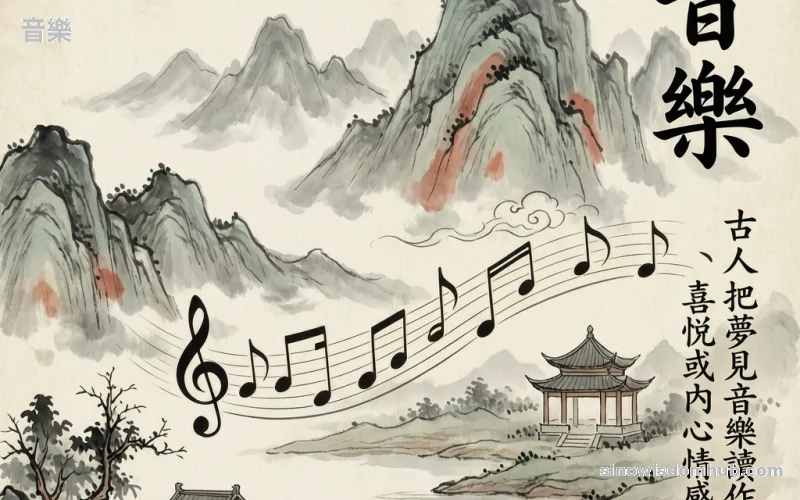
In the Zhou Gong tradition, dreaming of music was seen as a sign of harmony, joy, or the expression of inner emotions.

Ancient interpretation of dream scenes

宴樂吉慶

古人把家中歡喜、吹笛打鼓之景讀作百事順遂、吉慶臨門的兆頭,象徵生活和諧與運勢亨通。從心理學視角看,此類場景常映射夢者對情感釋放、安全感與集體歸屬感的內在渴求。

Related original: 2
  • 家中歡喜百事吉 —— In ancient dream interpretation, "家中歡喜百事吉" was considered an omen.
  • 吹笛打鼓有吉慶 —— In ancient dream interpretation, "吹笛打鼓有吉慶" was considered an omen.

爭訟口舌

古人把見歌舞、與人合奏拍板或旁觀作樂讀作易惹是非、口舌紛爭或訴訟纏身之兆,提醒夢者注意人際界線與溝通方式。弗洛伊德認為這可能源於被壓抑的攻擊性或競爭慾望,透過藝術互動的夢境轉化而出現。

Related original: 3
  • 見歌舞者口舌至 —— In ancient dream interpretation, "見歌舞者口舌至" was considered an omen.
  • 與人拍板有口舌 —— In ancient dream interpretation, "與人拍板有口舌" was considered an omen.
  • 他人作樂訟有理 —— In ancient dream interpretation, "他人作樂訟有理" was considered an omen.

功名助力

古人把懷抱琵琶、他人吹笛讀作得貴人相助、聲名遠播的吉象,反映夢者對社會認可、資源支持與個人價值的追求。榮格會視之為個體化進程中「人格面具」尋求外界共振與整合的投射。

Related original: 2
  • 懷中琵琶得人助 —— In ancient dream interpretation, "懷中琵琶得人助" was considered an omen.
  • 他人與笛有名聲 —— In ancient dream interpretation, "他人與笛有名聲" was considered an omen.

變故警示

古人把堂上奏樂、吹笙及病者歌唱讀作家宅變動、喪事將臨或病情惡化的凶兆,暗喻盛極必衰、陰陽失衡與生命節律的轉換。心理層面則提示夢者正經歷重大人生轉型,或潛意識對健康與失控狀態的焦慮。

Related original: 3
  • 堂上歌樂主喪事 —— In ancient dream interpretation, "堂上歌樂主喪事" was considered an omen.
  • 吹笙者主有更改 —— In ancient dream interpretation, "吹笙者主有更改" was considered an omen.
  • 病人歌唱主大凶 —— In ancient dream interpretation, "病人歌唱主大凶" was considered an omen.

'Zhou Gong's Dream Interpretation' text analysis

《周公解夢》中關於「音樂」的占斷呈現出鮮明的「情境決定吉凶」規律。古人並非單以樂器或聲音論斷,而是緊扣演奏者身份、場所氛圍與聽夢者處境來推演。整體而言,音樂在傳統夢占中是「氣機流動」與「人事感應」的載體:若為自娛或家庭共樂,多主吉慶亨通;若涉外人合奏或喧鬧歌舞,則易引動口舌是非與訴訟糾紛。此外,特定樂器與狀態亦具象徵指向,如琵琶主外助、笙笛主變遷,而病者歌唱或堂上奏樂則被視為陰陽失衡、盛極必衰的凶兆。這批原文反映出古人「以樂觀政、以音察人」的思維,強調夢境中的音樂實為現實人際關係與運勢起伏的隱喻鏡像。

Psychological Perspective

【弗洛伊德視角】音樂在夢中常被視為力比多能量的昇華與釋放。夢見歌舞、吹奏或他人作樂,往往暗示潛意識中未被滿足的慾望或情緒壓力,正透過藝術化符號尋求出口。若伴隨爭吵或病者歌唱,則可能反映本我與超我的衝突,或是對現實失控感與死亡焦慮的防衛性掩飾。【榮格視角】音樂象徵集體無意識中的內在節奏與整合力量。懷抱樂器或聽見純淨旋律,代表個體化進程中自我與自性的對話;而喧鬧或哀樂之夢,則是陰影或阿尼瑪原型喚醒夢者對生命週期變遷覺知的訊號。以上解析僅供參考,實際內涵需結合現實處境判斷。

⚠️ The psychological analysis above is for reference only and does not represent the sole interpretation. Dream meanings vary from person to person.

見歌舞者口舌至 哀樂病死歌唱 · 656 —— In ancient dream interpretation, "見歌舞者口舌至" was considered an omen.
家中歡喜百事吉 哀樂病死歌唱 · 657 —— In ancient dream interpretation, "家中歡喜百事吉" was considered an omen.
懷中琵琶得人助 哀樂病死歌唱 · 658 —— In ancient dream interpretation, "懷中琵琶得人助" was considered an omen.
他人與笛有名聲 哀樂病死歌唱 · 659 —— In ancient dream interpretation, "他人與笛有名聲" was considered an omen.
與人拍板有口舌 哀樂病死歌唱 · 660 —— In ancient dream interpretation, "與人拍板有口舌" was considered an omen.
堂上歌樂主喪事 哀樂病死歌唱 · 661 —— In ancient dream interpretation, "堂上歌樂主喪事" was considered an omen.
吹笙者主有更改 哀樂病死歌唱 · 662 —— In ancient dream interpretation, "吹笙者主有更改" was considered an omen.
吹笛打鼓有吉慶 哀樂病死歌唱 · 663 —— In ancient dream interpretation, "吹笛打鼓有吉慶" was considered an omen.
他人作樂訟有理 哀樂病死歌唱 · 664 —— In ancient dream interpretation, "他人作樂訟有理" was considered an omen.
病人歌唱主大凶 哀樂病死歌唱 · 669 —— In ancient dream interpretation, "病人歌唱主大凶" was considered an omen.
Related Topics

⚠️ This page cites original texts from ancient books along with their vernacular explanations, recording how ancients interpreted dream symbols, not as predictions of the future. Original text from ancient classics, public domain. Vernacular explanations and search keywords are provided by this site and are not part of the original text.