狂風示凶
古人把「狂風大雨」讀作天地失序、陰陽暴戾的凶兆,預示生命將遭不可抗力摧折。從心理學視角看,此景映射夢者內心對失控局面或重大失去的深層恐懼。
Related original: 1
- 狂風大雨人死亡 —— In ancient dream interpretation, "狂風大雨人死亡" was considered an omen.
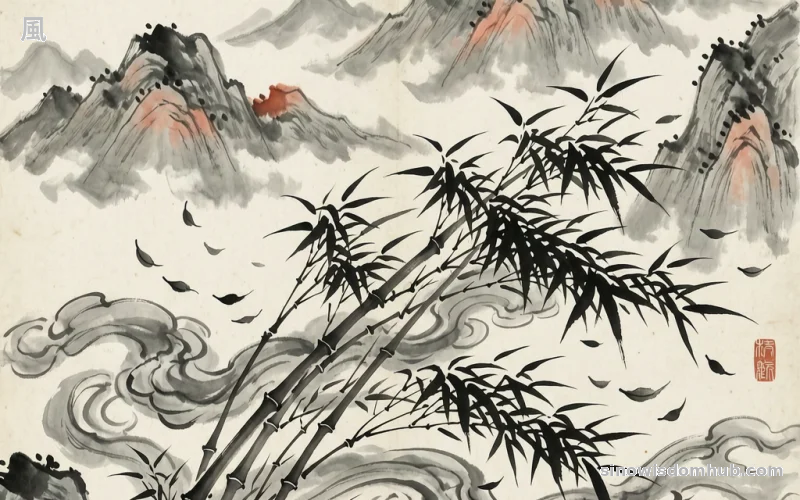
In the Zhou Gong tradition, dreaming of wind was seen as a sign of news spreading, constant change, power, or rumors.
古人把「狂風大雨」讀作天地失序、陰陽暴戾的凶兆,預示生命將遭不可抗力摧折。從心理學視角看,此景映射夢者內心對失控局面或重大失去的深層恐懼。
古人把「風吹人衣」讀作氣機外泄、邪風入侵的徵象,主身體虛弱或疾病纏身。這反映潛意識對自身防護力下降的焦慮,提醒注意身心邊界。
古人把「忽大風」與「風如吼」讀作天機變動、遠方訊息將至的訊號,多應驗於政令更迭或親友音書。心理上,這象徵內在情緒的劇烈翻湧正轉化為對外界變化的敏銳感知。
這四則原文展現了古人以「風」為媒介的天人感應邏輯。風在夢占中並非單純氣象,而是陰陽之氣流動的具象化。其吉凶取決於風勢強弱、作用對象與聽覺特徵:狂風伴雨(61)屬陰陽暴戾,主生死大劫;風觸衣物(62)象徵衛氣不固,邪風易侵,故斷為疾病;忽起大風(63)與風聲如吼(64)則強調「動」與「聲」,古人認為風動則氣運變,對應政局號令更迭或遠方音訊傳來。整體規律呈現由「自然災異」到「肉身安康」再到「社會通訊」的遞進結構,反映出傳統夢占將環境變化、生理狀態與人事吉凶緊密綁定的系統性思維,核心在於捕捉無形之氣對有形世界的干預跡象。
【弗洛伊德視角】僅供參考。弗洛伊德會將風視為潛意識中被壓抑能量(如本能衝動或焦慮)的隱喻。狂風與風吼代表情緒防線崩潰的恐懼,是夢者對失控情境的焦慮投射;風吹衣物則暗示心理邊界被侵犯的脆弱感,可能連結早期經驗中對暴露或被動的恐懼。在此框架下,風夢並非預言,而是未被滿足的欲望或防禦機制失效的症狀顯現,需透過自由聯結挖掘內在衝突。【榮格視角】僅供參考。榮格傾向將風解讀為集體無意識中的「靈氣」(Pneuma)原型,象徵精神轉化與未知力量的介入。忽起大風與遠信至,代表個體正經歷自我(Self)引導下的生命階段轉換,舊有認知結構正在瓦解;風聲如吼則是陰影(Shadow)浮現的信號,催促夢者直面內在張力並尋求整合。此視角強調夢境作為心靈自癒與個體化歷程的指引。
⚠️ The psychological analysis above is for reference only and does not represent the sole interpretation. Dream meanings vary from person to person.
⚠️ This page cites original texts from ancient books along with their vernacular explanations, recording how ancients interpreted dream symbols, not as predictions of the future. Original text from ancient classics, public domain. Vernacular explanations and search keywords are provided by this site and are not part of the original text.